Rural Electrification: New Developments for a More Equitable and Sustainable Future
Official sources indicate that in 2023, 675 million people around the world lacked (and we can assume continue to lack) access to electricity, and close to 2.3 billion people used polluting fuels to cook. To put this into perspective, that same year, Europe had a population of 742 million. So, let’s take a moment to imagine what life would be like if almost our entire continent lacked access to electricity.
At this point in the decade, Sustainable Development Goal 7 for 2030 (Affordable and clean energy) seems difficult to achieve. But we have the opportunity to tackle the global energy crisis if we fully promote renewable energies and improve energy efficiency.
With this idea in mind, we attended the 5th International Conference on Solar Technologies and Hybrid Mini-Grids (S-@CCESS) in September and saw two new developments that could mark a turning point in facilitating access to modern energy services in rural areas of the world that are currently the most impoverished.

CEGASA Energy presents at S-@CCESS
On 4, 5 and 6 September, @Marta Inchaurraga (Lithium-Ion Distribution Manager) attended the fifth edition of S-@CCESS. The conference’s wide appeal attracted an audience of around 140 people from over 36 countries.
The main focus of S-@CCESS is to shine a light on the opportunity for solar technology and decentralised energy solutions to provide modern energy services for over a billion people in rural areas worldwide. This, in turn, could be a catalyst for improving households’ quality of life, driving SME productivity, improving public services and aiding displaced communities in crisis.
Many topics were addressed over the three days, including hybrid mini-grids, rural electrification, different types of technology and the operation and maintenance of existing plants, but the two main new developments were solar electric cooking and solar-powered food refrigeration and storage systems called cold rooms.
Solar Electric Cooking: A Truly Transformative Alternative
The rapid expansion of solar power in Africa has already transformed millions of lives, but it still hasn’t had the impact it could in many homes, especially in kitchens.
Advances in solar technology are making it possible to implement solar electric cooking, a technology which uses solar energy for clean cooking, meaning cooking that does not pollute the air inside the home, reducing greenhouse gases and deforestation (by not using wood). This makes it possible to cook any time of day regardless of weather conditions.
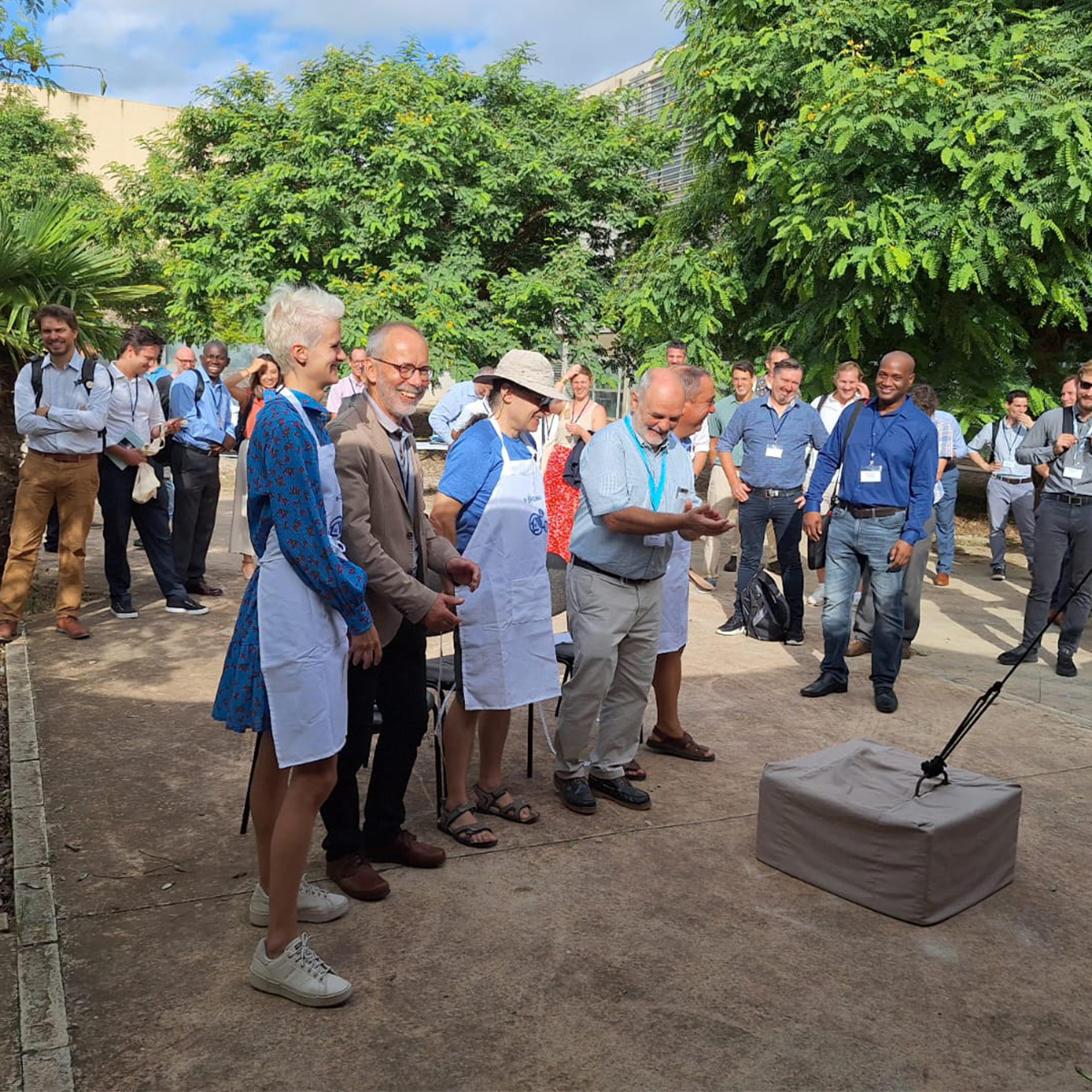
S-@CCESS hosted practical workshops where we could not only cook with solar technology but also taste the food afterwards.
Cold Rooms Maintain the Cold Chain for Food Security
Cold rooms are refrigerated containers which allow food to be kept in good condition without breaking the cold chain, regardless of the outside temperature. Powered by solar panels, they use batteries for energy storage and a charge controller to regulate the power flow, ensuring a continuous supply of energy to the refrigeration system.
These new cold rooms provide an excellent opportunity to improve thousands of lives in Africa, from farmers and fisherman to market vendors and more. With this technology, they could store their products in perfect condition, which would reduce food loss and increase income while helping to stabilise local market prices.
In addition to their multiple applications in agriculture and fishing, cold rooms also have medical applications, such as storing vaccines, medicine and other medical supplies that are difficult to keep in good condition in rural areas.
CEGASA Demonstrates Commitment to Rural Electrification
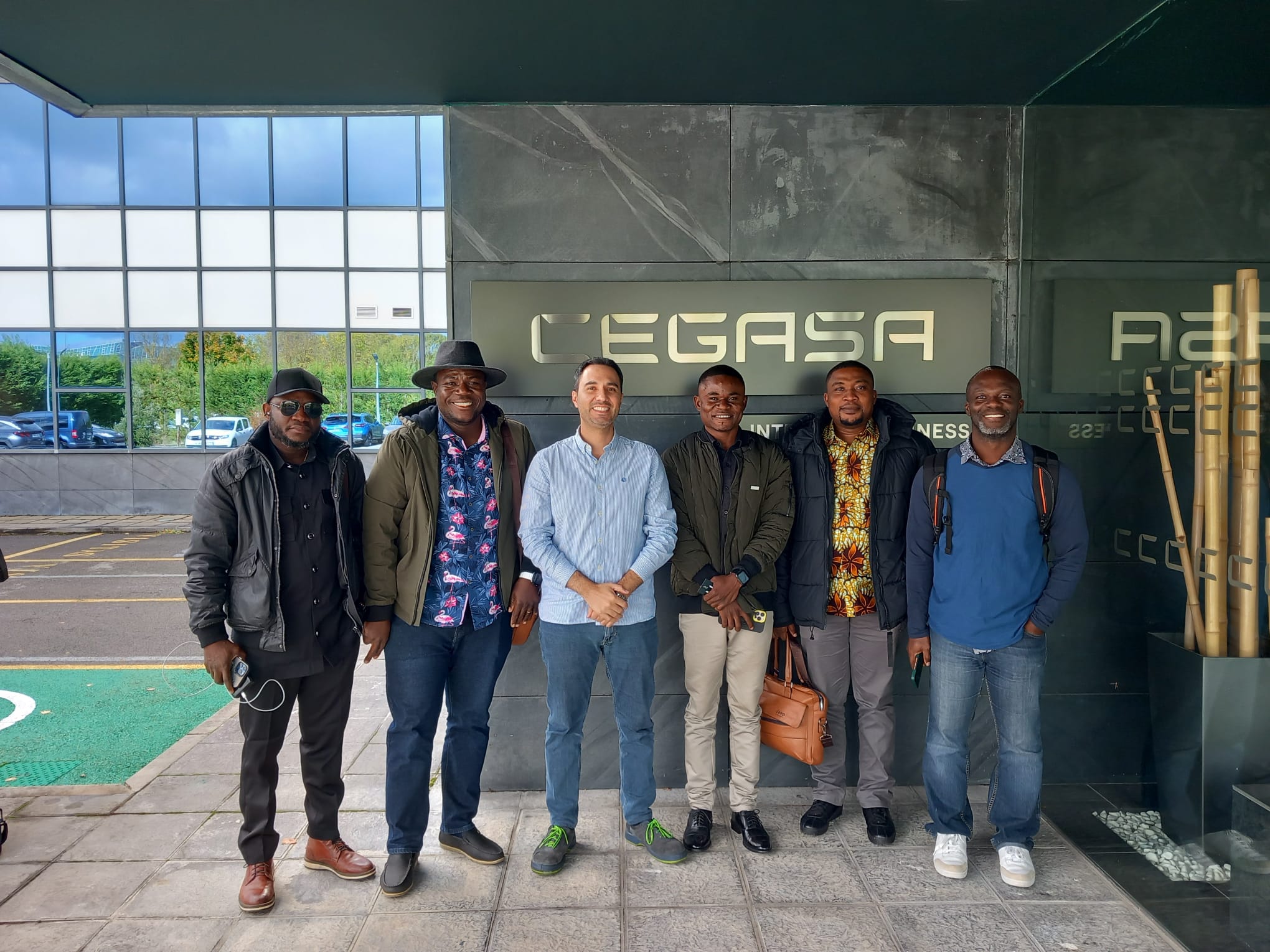
Playing an active role in the creation of a more equitable and sustainable future is part of CEGASA’s mission, and our actions go beyond participating in events. That’s why we welcomed the technical team of Ghana's main electricity generation and distribution company, Volta River Authority (VRA), this week as part of the Volta Lake Islands project, which includes 5 micro-grids to electrify remote rural areas.
The VRA engineers received comprehensive training on the start-up and maintenance of the Ebick Pro storage systems which were installed last summer, thereby providing many families with clean energy thanks to battery technology developed by CEGASA.
Conclusions
In summary, we must continue making clear strides toward rural electrification and apply new technologies like solar electric cooking and solar-powered cold rooms. These innovative and sustainable solutions can help address food preparation and refrigeration challenges in rural and remote areas, helping to improve food safety, reduce food loss and strengthen local economies.
*According to a report by the International Energy Agency, the International Renewable Energy Agency, the United Nations Statistics Division, the World Bank and the World Health Organization.